

Home Suites
Blog
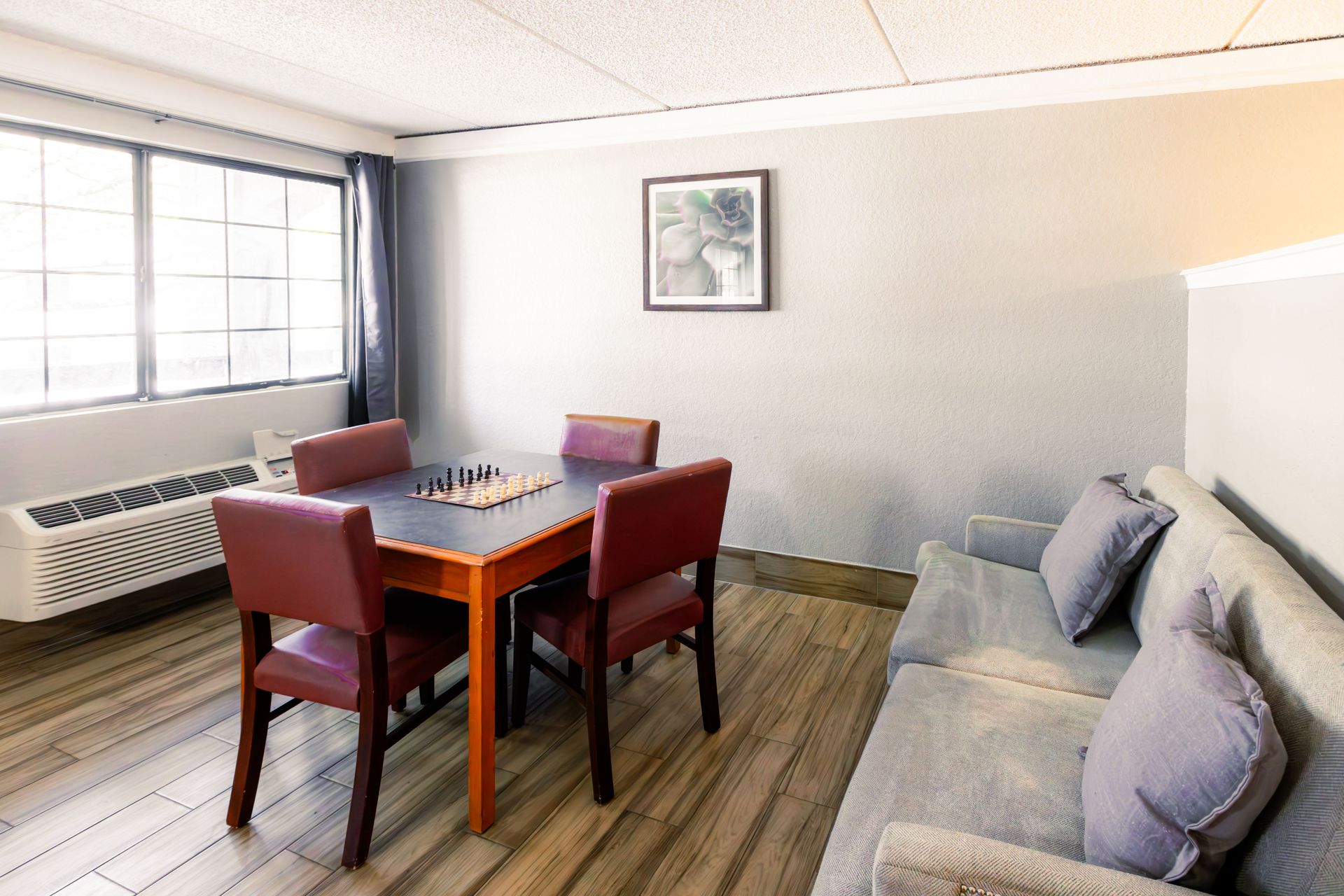
A temporary work assignment in a new city can be a great career opportunity, but managing everyday life away from home comes with its own expenses. When your stay extends from a few days to several weeks or months, costs like accommodation, meals, laundry, transportation, and daily necessities can add up faster than expected. The challenge isn't just staying within budget. It's finding a place where you can maintain your routine, get enough rest, prepare meals, and feel comfortable after a long workday without paying for things you don't really need. With the right planning and accommodation, living away from home can be both manageable and comfortable. Here's how to make the most of your temporary work assignment without overspending. 1. Look Beyond the Nightly Room Rate When booking accommodation for a work assignment, the cheapest nightly rate isn't always the most affordable option in the long run. A standard hotel room may require you to spend extra on meals, laundry, parking, or other daily essentials. Instead, compare the overall cost of staying somewhere for a week or a month. Look for extended-stay accommodations with furnished rooms, utilities included, and practical amenities that reduce additional spending. Knowing what's included in your stay makes it easier to plan your budget and avoid expenses that could otherwise catch you off guard. 2. Choose a Stay That Supports Your Everyday Routine Living out of a suitcase for weeks can quickly become exhausting. A comfortable temporary stay should allow you to do more than sleep and leave for work each morning. Look for a furnished room with storage, a comfortable bed, a desk or workspace, reliable Wi-Fi, and enough room to organize your belongings. Having these essentials makes it easier to work, relax, and maintain a routine similar to the one you follow at home. The more your accommodation supports everyday living, the less you'll need to spend on external conveniences just to make your stay comfortable. 3. Cut Down on Takeout With Kitchen Convenience One of the biggest expenses during a temporary assignment can be food. Ordering takeout after work or eating at restaurants every day may seem convenient, but those small purchases can quickly become a significant part of your monthly budget. Choosing accommodation with a kitchenette can make a real difference. A stove, refrigerator, and microwave allow you to store groceries, prepare simple meals, make breakfast, or pack lunch for work. You don't need to cook elaborate meals every day. Even preparing a few meals during the week can help reduce food expenses while giving you more flexibility over your schedule. 4. Keep Your Commute Short and Predictable Transportation expenses are easy to overlook when planning a temporary stay. Daily rideshares, fuel costs, and long commutes can add up, especially when you're working in a city you're unfamiliar with. Before booking, check how conveniently your accommodation is located near your worksite, public transportation, grocery stores, and essential services. A well-connected location can reduce travel costs and help you spend less time commuting. If public transit is available, explore routes and weekly passes to find an option that works with your schedule. 5. Take Advantage of Amenities That Save You Money When you're staying away from home for an extended period, amenities aren't just added conveniences. They can help reduce your everyday expenses. For example: On-site laundry: Wash clothes during your stay instead of paying for outside laundry services. Free Wi-Fi: Stay connected for work, video calls, and personal use without an additional internet expense. Kitchen facilities: Prepare meals and store groceries instead of eating out regularly. On-site convenience store: Pick up everyday essentials without making unnecessary trips. Included utilities: Keep your stay more predictable without worrying about setting up separate services. The more essential amenities your accommodation provides, the easier it becomes to manage your expenses while maintaining comfort.
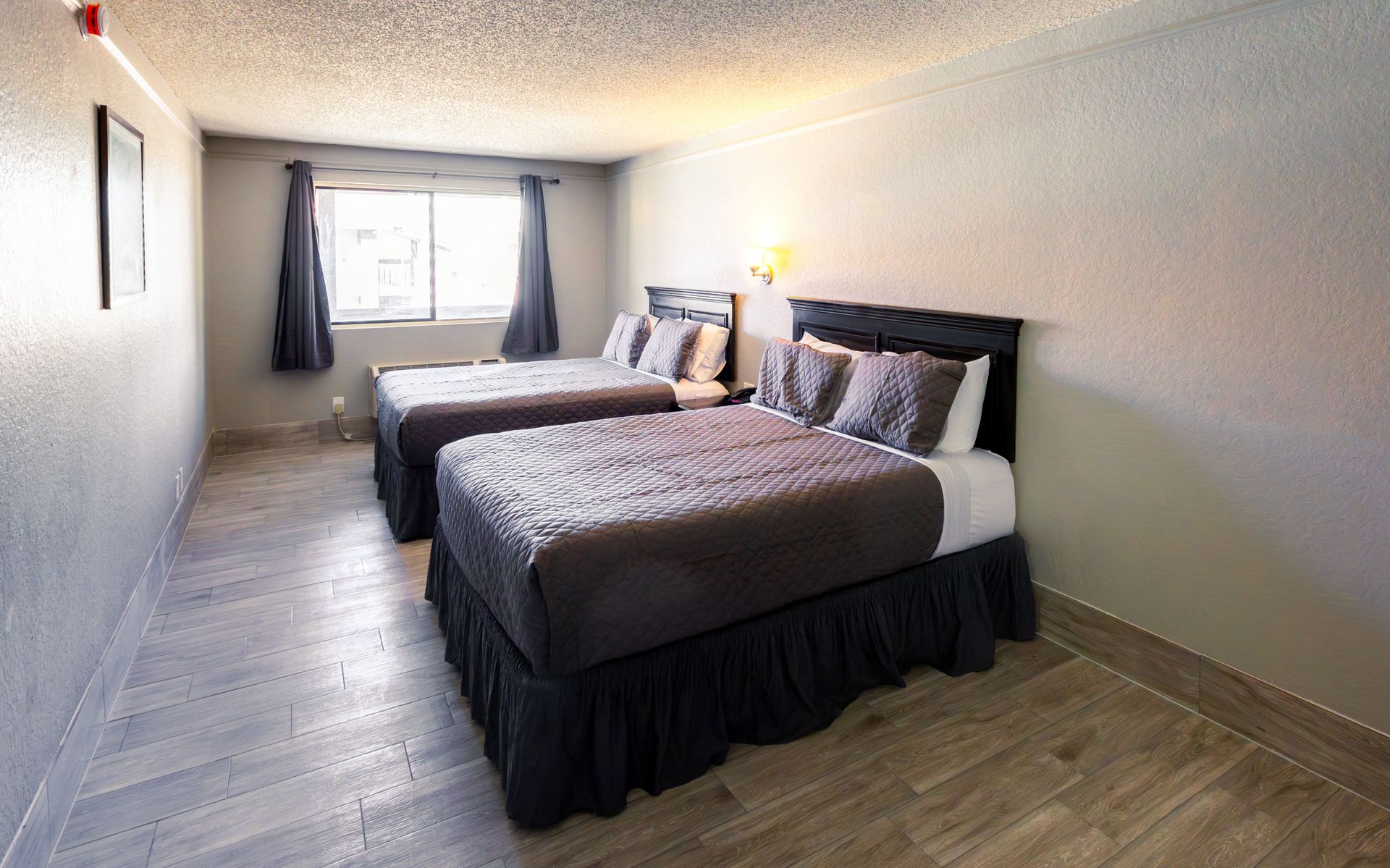
Packing for a month away from home requires a different approach than preparing for a weekend trip. You need enough clothing, personal essentials, and everyday items to stay comfortable for several weeks without bringing everything you own. The key is to pack for daily living rather than simply travelling. From clothing and toiletries to work essentials and items for preparing meals, a little planning can help you settle into your temporary accommodation without unnecessary shopping or overpacked luggage. For guests planning an extended stay in San Antonio, Home Suites offers fully furnished rooms and practical amenities, including kitchenettes in select suites, on-site laundry, free fast Wi-Fi, air conditioning, and cable TV. Knowing what is already available can help you decide what to bring and what to leave behind. Use this extended-stay packing checklist to prepare for a comfortable month away from home. 1. Pack Enough Clothing for Your Daily Routine Clothing can take up a significant amount of luggage space, especially when packing for an entire month. Rather than bringing 30 separate outfits, focus on versatile pieces that can be mixed, matched, and worn for different occasions. Your clothing checklist: Everyday shirts, tops, and trousers Comfortable clothing for relaxing Workwear or professional outfits, if needed Sleepwear Undergarments and socks A light jacket or weather-appropriate outerwear Comfortable walking shoes and any footwear needed for work One or two outfits for special occasions Laundry bag for worn clothes Home Suites provides on-site laundry facilities, which can make managing clothing during a longer stay more convenient. This means you can plan to wash and reuse your clothes instead of packing enough for every day of the month. Before travelling, check the expected weather in San Antonio and adjust your clothing choices accordingly. 2. Bring Your Personal Care and Toiletry Essentials Personal care products are easy to overlook when packing, but they are among the most frequently used items during an extended stay. Bringing familiar products can also help you maintain your regular routine. Your toiletries checklist: Toothbrush and toothpaste Shampoo and conditioner Body wash or soap Deodorant Skincare products Hairbrush or comb Shaving essentials Nail clippers and basic grooming tools Personal hygiene products Prescription medications and regularly used personal care items Home Suites' occupancy terms specify that a limited number of towels and toilet paper rolls are provided at check-in, while additional linens and toiletries may need to be purchased from the front desk. Review the property's current terms before packing so you know which essentials to bring. 3. Pack Your Everyday Technology and Work Essentials Whether the month-long stay is for a work assignment, relocation, or personal travel, technology often plays an important role in everyday life. Keeping the right devices and accessories together can help you stay connected, manage responsibilities, and maintain your usual schedule. Your technology checklist: Mobile phone and charger Laptop or tablet, if required Laptop charger and necessary accessories Headphones or earbuds Power bank Charging cables Work documents and essential stationery Any adapters required for your devices Home Suites lists free fast Wi-Fi among its amenities, making it easier to stay connected during your stay. If remote work is part of the plan, remember to pack everything needed to access work accounts and complete daily tasks. 4. Prepare for Simple Meals and Everyday Kitchen Needs Having access to kitchen facilities can make a month-long stay more convenient. You may want to prepare simple meals, store snacks, or keep a few everyday food items available. Home Suites offers kitchenettes in select suites, with listed features including a stove, refrigerator, and microwave in applicable room types. Check the details of your specific suite before deciding which additional items to bring. Your kitchen essentials checklist: Reusable water bottle Travel mug Reusable food containers A small set of personal cutlery, if needed Reusable shopping bags A few preferred non-perishable snacks Basic food-storage supplies, where useful Avoid packing bulky cookware or kitchen appliances before confirming what your selected suite provides. Bringing only the items you genuinely need can save luggage space and reduce unnecessary purchases. 5. Bring Items That Make Your Room Feel Familiar A month away from home can feel different from a short holiday. Familiar everyday items can help make the room feel more comfortable and support a consistent routine. Your comfort checklist: A favourite book or e-reader A small personal photo or keepsake A sleep mask or earplugs, if preferred A compact notebook and pen A reusable tote for everyday errands Your preferred entertainment accessories Home Suites provides fully furnished accommodation, air conditioning, and cable TV. Since the rooms already include essential furnishings, there is generally no need to bring bulky household furniture or decorative items. Focus on small personal belongings that make the space feel familiar without creating clutter.
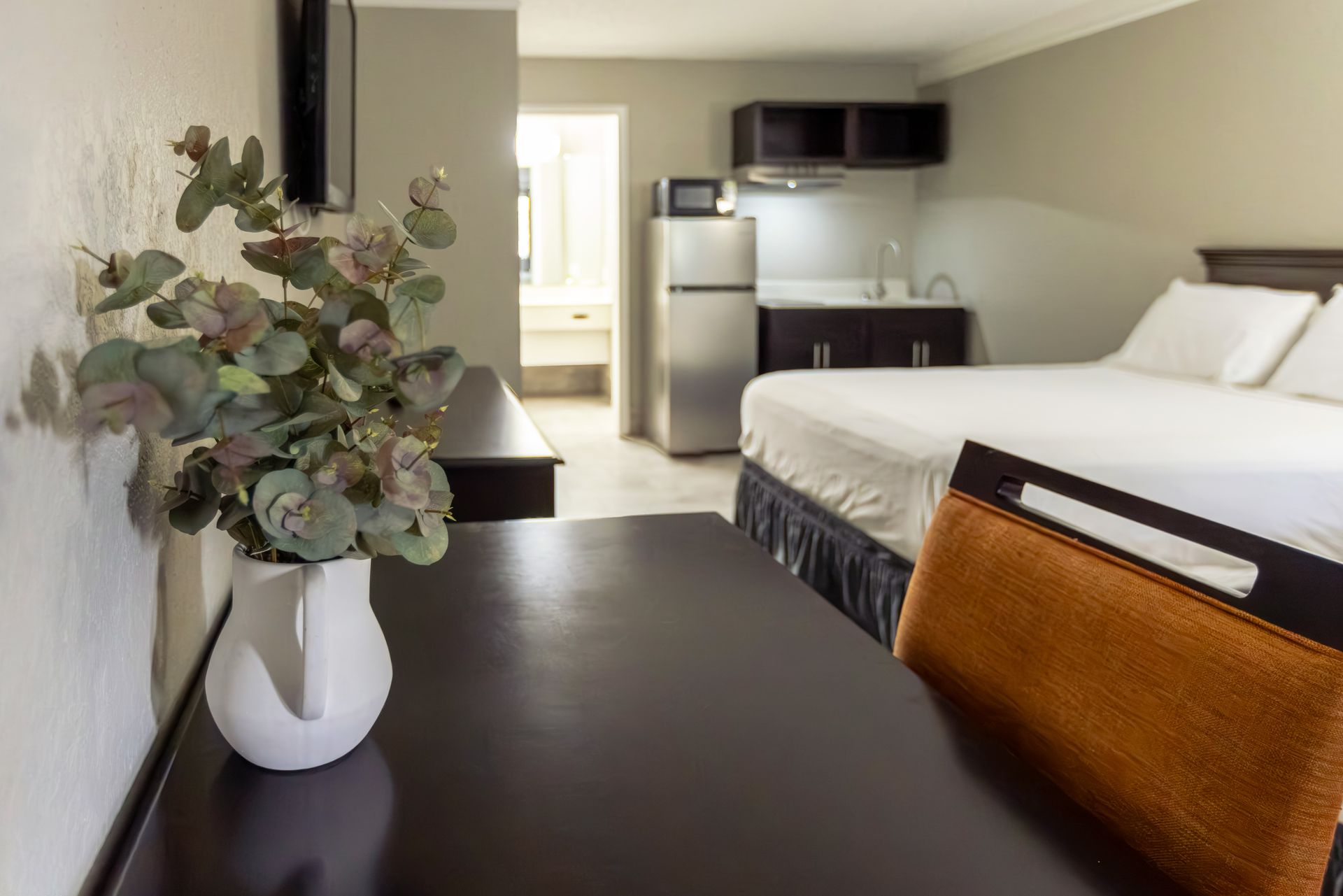
Temporary living often begins with a simple plan: stay for a few days, complete a work assignment, wait for a relocation to settle, or find a comfortable place while other plans take shape. But sometimes, a few days turn into weeks, and weeks become months. Before long, temporary accommodation becomes part of everyday life. When a stay extends beyond a typical trip, comfort, convenience, and routine become just as important as finding a place to sleep. The right extended-stay accommodation can make this transition easier by providing the essentials needed for daily living without the complications of a traditional rental. For guests staying in San Antonio, Home Suites offers fully furnished rooms, flexible stay options, and practical amenities designed to make longer stays more comfortable. Here is how to make the most of an extended stay and create a sense of normalcy while living away from home. 1. Choose Accommodation That Supports Everyday Living The first step toward settling in is choosing a place that works for daily life, not just overnight stays. When accommodation becomes your home base for several weeks or months, small conveniences can make a meaningful difference. Home Suites offers fully furnished rooms with amenities such as kitchenettes, air conditioning, HD cable, and free fast Wi-Fi. These features help guests manage everyday activities, stay connected, and enjoy a comfortable environment throughout their stay. Whether the stay involves a temporary work assignment, relocation, or an extended visit, having essential amenities readily available can make the transition feel more manageable. 2. Create a Routine That Feels Familiar One of the biggest adjustments to an extended stay is maintaining a sense of routine. An unfamiliar environment can make ordinary activities feel different, particularly when work schedules, travel plans, or personal responsibilities continue as usual. Establishing a consistent daily schedule can help make temporary living feel more settled. Set regular times for meals, work, relaxation, and rest. Use the available space to support these activities and keep everyday essentials within easy reach. With free fast Wi-Fi and in-room amenities, Home Suites provides practical conveniences for guests who need to stay connected and maintain their daily schedules while away from home. 3. Make the Most of Kitchenette Facilities Eating out for every meal can become inconvenient during a longer stay. Having access to kitchen facilities provides another option for managing meals and everyday needs. Home Suites offers kitchenettes at its properties, giving guests access to a practical feature designed for extended-stay living. Depending on the facilities available in the selected room, guests can make use of the kitchenette for simple meal preparation and storing everyday food essentials. Planning meals ahead and keeping commonly used items organised can also help create a more familiar daily routine. Over time, these small habits can make an extended stay feel less like a continuous trip and more like a comfortable living arrangement.

Finding temporary housing in San Antonio can seem simple at first. Search for a room, compare the prices, and choose the option that fits your budget. But when you’re staying for a few weeks or several months, the lowest advertised price doesn’t always mean the lowest overall cost. A room that looks affordable may come with extra utility bills, limited amenities, expensive deposits, inconvenient transportation, or the need to buy everyday essentials. On the other hand, a slightly higher rate may include the things that make an extended stay easier from day one. If you’re looking for temporary housing in San Antonio , here are the factors worth considering beyond the nightly or monthly price. 1. Look at the Total Cost, Not Just the Room Rate The first number you see is rarely the complete picture. Before booking, find out what is included in the rate. Utilities, Wi-Fi, furniture, laundry, parking, and other everyday necessities can significantly affect what you actually spend during your stay. For example, furnished housing may cost more than an unfurnished room at first glance, but buying furniture, arranging utilities, setting up internet, and purchasing household essentials can quickly add up. Some extended-stay options bundle several of these expenses together, making it easier to understand your actual monthly budget. The better question isn't “How much is the room?” It's “How much will it cost me to live here?” 2. Make Sure the Space Is Actually Move-In Ready Temporary housing should make your transition easier, not create another checklist. If you’re relocating for work, starting a project, working a temporary assignment, or simply need somewhere to stay between homes, you may not want to spend your first few days shopping for a bed, kitchen equipment, or basic household items. A furnished space can remove much of that hassle. Home Suites provides fully furnished rooms designed for extended stays, with features such as kitchenettes, air conditioning, HD cable, and in-room phones. That means you can arrive with what you need without turning temporary housing into a second moving project. 3. Consider Your Everyday Routine A place can look great online and still be inconvenient once you start living there. Think about what your normal week will actually look like. Do you need to cook occasionally? Is laundry available on-site? Will you need reliable internet for work? Are grocery stores nearby? Is public transportation accessible? These details matter much more when you're staying for 30 days than they do during a two-night hotel stay. Home Suites offers on-site laundry, free fast Wi-Fi, kitchenettes, all bills paid, and public transportation access , depending on the property. The goal is simple: your temporary home should support your routine rather than force you to constantly work around it. 4. Location Can Save You More Than a Lower Rate San Antonio is a large city, so location deserves more attention than simply checking the address on a map. A cheaper room on the other side of the city could mean longer commutes, higher transportation costs, and more time spent in traffic. Instead, consider where you’ll spend most of your time. For example, Home Suites has locations positioned near major attractions, shopping areas, transportation routes, and other conveniences. The Hill Country location is close to Six Flags Fiesta Texas and The Shops at La Cantera, while the 410 and Culebra locations provide access to shopping, public transportation, and major San Antonio attractions. When comparing temporary housing, calculate the cost of getting around , not just the cost of staying there. 5. Flexibility Matters When Your Plans Can Change Temporary stays don't always have a predictable end date. A work assignment may be extended. A construction project may take longer than expected. Your permanent home may not be ready when you planned. A relocation timeline can shift. That is why flexibility can be just as important as price. Corporate and temporary housing options commonly cater to stays ranging from around 30 days to several months, although terms vary by provider. Before committing, ask: How long can I stay? Can I extend my stay if needed? What happens if my plans change? Are there additional fees for extending? What are the check-in and check-out requirements? Knowing the answers beforehand can save you from having to find another place in the middle of an already busy transition. 6. Don't Forget the Small Amenities When you're living somewhere temporarily, small conveniences become big conveniences. An on-site laundry room means fewer trips to a laundromat. Wi-Fi means you can work or stay connected without arranging another service. A kitchenette gives you an alternative to eating out every day. These aren't luxury extras when you're staying for weeks. They're part of what makes a temporary space feel livable. Research on furnished corporate housing similarly highlights fully equipped living spaces, internet access, laundry, and practical amenities as important considerations for longer stays.

A temporary job can be a great opportunity to experience a new city, take on a short-term project, or earn while building your next career move. But there is one practical question that often comes with the assignment: Where are you going to stay? If you're working in San Antonio for a few weeks or several months, choosing accommodation is about more than finding a place to sleep. Your stay needs to fit your work schedule, budget, transportation needs, and day-to-day routine. A traditional hotel may work for a few nights, while signing a long-term lease may not make sense for a temporary assignment. That's where extended-stay accommodation can offer a practical middle ground. Here's what to consider when choosing a place to stay during a temporary job in San Antonio. 1. Start With the Length of Your Assignment Before looking at properties, determine how long you're likely to be in San Antonio. A one-week assignment requires a different type of accommodation than a three-month project. If your work schedule could change, flexibility becomes even more important. For temporary workers, weekly or extended-stay options can make it easier to avoid committing to a traditional long-term lease when you only need a place for a limited period. Home Suites is designed around this type of flexible living, with accommodations intended for stays ranging from a week to several months. 2. Think About Your Commute When you're working temporary hours, your accommodation's location can have a major impact on your daily routine. A property that looks affordable may become less convenient if you're spending significant time and money commuting every day. Before booking, consider: How far is the property from your job site? Is it close to major roads or highways? Is public transportation available? Are grocery stores and essential services nearby? Will the location work if your job site changes? Home Suites has multiple San Antonio locations, including properties on NW Loop 410 and I-10, with public transportation pickup and drop-off options. Its locations also provide access to nearby shopping and entertainment. 3. Look Beyond the Nightly Rate The advertised room rate isn't always the full picture. When comparing temporary accommodation, look at what is included in the overall cost. Utilities, internet, furniture, laundry, transportation and everyday essentials can all affect your actual monthly expenses. For example, having to arrange electricity, internet service or furniture separately can add time and unexpected costs to a short-term stay. Home Suites includes several everyday essentials in its extended-stay setup, including furnished rooms, fast Wi-Fi and all bills paid. The better question isn't simply: "What is the room rate?" Instead, ask: "What will I actually need to pay and arrange during my stay?" 4. Make Sure the Room Supports Your Routine When you're working away from home, your room becomes more than a place to sleep. You may need to prepare a quick meal before an early shift, do laundry after work, connect with your team online, or simply have a comfortable place to relax. That's why practical amenities matter. Home Suites offers features including kitchenettes, on-site laundry, air conditioning, HD cable and in-room phones, along with Wi-Fi and furnished accommodations. These details may seem small when you're booking, but they can make a noticeable difference when you're living somewhere for several weeks. 5. Consider Whether You Need a Kitchenette Eating every meal at restaurants can become expensive and inconvenient during a longer work assignment. Having access to a kitchenette gives you another option. You can keep basic groceries on hand, prepare simple meals and maintain a routine that feels closer to home. If you're working early mornings, late shifts or irregular hours, that flexibility can be especially useful. When comparing extended-stay properties, check exactly what cooking facilities are available and what comes with the room. 6. Check Laundry Facilities Laundry is easy to overlook when booking accommodation for a temporary job. But if you're staying for weeks rather than days, access to laundry can save you from repeatedly paying for outside services or packing an excessive amount of clothing. Home Suites provides on-site laundry facilities, making it easier for guests to handle everyday tasks without leaving the property. For workers on construction projects, healthcare assignments, relocations or other hands-on jobs, this can be particularly convenient. 7. Choose Accommodation That Doesn't Create More Work A temporary job already comes with enough logistics. You may be coordinating schedules, commuting to an unfamiliar workplace, managing expenses and adjusting to a new city. Your accommodation should make your routine simpler rather than add another list of tasks. Look for a stay where the essentials are already taken care of. A fully furnished room, included utilities, Wi-Fi, laundry access and a convenient location can reduce the number of things you need to arrange before settling in. Home Suites specifically offers move-in-ready furnished rooms without the traditional process associated with setting up a long-term residence. 8. Think About Your Life Outside Work Even if you're in San Antonio primarily for work, you shouldn't have to spend every non-working hour inside your room. Your location can influence how easily you access restaurants, shopping, entertainment and other parts of the city. For example, Home Suites' Hill Country location is near Six Flags Fiesta Texas and the Shops at La Cantera, while the 410 and Culebra locations provide access to nearby attractions and shopping. Having options nearby can make a temporary assignment feel less like you're simply passing through and more like you're actually living in the city. 9. Ask About Flexibility Before You Book Temporary work doesn't always stay temporary. A two-week assignment can become a month-long project. A contract scheduled for six weeks might get extended. Before booking, find out: Can you extend your stay? What payment schedules are available? Are utilities included? Is there a long-term lease requirement? What happens if your assignment ends earlier than expected? Are there additional fees you should know about? Getting clear answers upfront can prevent surprises later. 10. Match the Stay to the Way You Work Not every temporary worker has the same needs. A construction crew may prioritize convenient access to major roads and laundry. A healthcare worker may care more about proximity to a medical facility and a quiet place to rest. A relocating professional may need reliable Wi-Fi and a comfortable space while searching for permanent housing. The right accommodation should fit your actual routine. Home Suites serves a range of extended-stay guests, including professionals, healthcare workers, construction crews, military members and people relocating to San Antonio. A Temporary Job Doesn't Have to Mean a Temporary Feeling of Home Taking a job in another city doesn't mean you need to sacrifice comfort or convenience. When choosing where to stay in San Antonio, look beyond the room itself. Consider the length of your assignment, commute, total costs, included amenities, flexibility and how easily the property fits into your everyday routine. For temporary workers, the goal isn't simply to find somewhere to stay. It's to find a place that makes working away from home easier. With furnished accommodations, flexible extended-stay options, kitchenettes, Wi-Fi, on-site laundry, all-bills-paid convenience and multiple San Antonio locations, Home Suites provides a practical home base for people who need somewhere comfortable while they're working, relocating or between longer-term housing arrangements. Looking for an extended stay in San Antonio? Explore Home Suites and find a stay that works around your schedule.

San Antonio is one of Texas’s most exciting destinations, known for the historic River Walk, the Alamo, vibrant food scene, family-friendly attractions, and year-round events. But enjoying the city doesn’t mean you have to spend a large portion of your travel budget on accommodation. With the right planning, travelers can find affordable places to stay in San Antonio while still enjoying comfort, convenience, and a great location. Whether you’re planning a weekend getaway, a family vacation, a business trip, or an extended stay, here are practical ways to save money on accommodation in San Antonio without compromising comfort . 1. Choose a Weekly or Extended-Stay Accommodation One of the easiest ways to reduce your accommodation costs is to stay longer. Hotels often charge higher nightly rates, especially when you book for several consecutive nights. Weekly accommodations or extended-stay properties can offer better overall value, particularly for travelers staying for a week or more. Look for accommodations that provide: Weekly or monthly rates Kitchen or kitchenette facilities Complimentary Wi-Fi On-site laundry Spacious rooms or suites Flexible check-in and check-out options These amenities can also help you save on food, laundry, and other everyday travel expenses. 2. Look Beyond Traditional Hotels Hotels aren’t your only option when searching for budget accommodation in San Antonio . Consider weekly hotels, extended-stay suites, serviced apartments, and other alternative accommodations. These options often provide more space and practical amenities at a lower overall cost. For longer stays, having a room with a kitchenette or cooking area can make a significant difference. Preparing some of your own meals instead of eating out for every meal can quickly reduce your travel expenses. 3. Compare the Total Cost, Not Just the Room Rate A low advertised room rate doesn’t always mean you’re getting the best deal. Before booking, check what is included in the price. Additional costs such as parking, Wi-Fi, resort fees, cleaning fees, or other charges can increase the final amount. When comparing affordable hotels in San Antonio , consider the complete cost of your stay. For example, a slightly more expensive property with free parking, Wi-Fi, breakfast, and kitchen facilities could actually be cheaper than a lower-priced room with multiple additional fees. 4. Pick a Convenient Location Saving money on accommodation is important, but location matters too. A cheaper hotel located far away from the places you want to visit may result in higher transportation costs and longer travel times. Instead, look for cheap places to stay in San Antonio that provide convenient access to major roads, attractions, restaurants, shopping areas, and public transportation. The goal isn’t necessarily to stay in the most expensive central neighborhood. It’s to find a location that gives you a good balance between price, convenience, and comfort . 5. Travel During the Right Season Accommodation prices can change depending on demand. If your travel dates are flexible, consider visiting San Antonio during less busy periods. Avoiding major holidays, large events, and peak travel weekends can help you find better room rates. Traveling midweek can also be more affordable than staying Friday and Saturday nights, depending on the property and season. A little flexibility with your dates can sometimes lead to substantial savings. 6. Book Directly When Possible After finding an accommodation you like, check whether the property offers a direct booking option. Some properties provide special rates, extended-stay deals, or flexible booking terms when guests reserve directly. It’s also easier to ask about available discounts, weekly rates, parking, amenities, and other inclusions when speaking directly with the property.

Moving to a new city is exciting—but it can also be overwhelming. Between house hunting, exploring neighborhoods, transferring utilities, and settling into a new routine, finding the right place to stay during the transition is one of the most important decisions you'll make. If you're relocating to San Antonio, booking a long-term apartment before you've had the chance to explore the city may not be the best idea. Instead, many newcomers choose extended-stay accommodations that offer the flexibility and comfort of home without the commitment of a lease. Here's why temporary housing is the smartest way to begin your new chapter in San Antonio. Why You Shouldn't Rush Into a Lease Whether you're moving for work, family, military service, or simply a fresh start, it's natural to want to settle in quickly. However, signing a year-long lease before getting to know the city can lead to costly mistakes. By staying in temporary housing first, you can: Explore different neighborhoods before committing. Compare commute times to work or school. Visit homes and apartments in person. Learn about local amenities, restaurants, and shopping. Avoid paying security deposits on a property you're unsure about. Taking a few weeks to experience the city can help you make a more confident long-term housing decision. What Makes an Extended-Stay Hotel the Best Choice? Unlike traditional hotels designed for short vacations, extended-stay accommodations are built for people who need a place to actually live for several weeks or months. Instead of feeling like you're "living out of a suitcase," you'll enjoy practical amenities that make daily life easier. Look for accommodations that offer: Fully furnished rooms Kitchenettes for preparing meals High-speed Wi-Fi On-site laundry facilities Weekly and monthly stay options All-inclusive pricing with utilities included These conveniences help you maintain your routine while reducing the stress of relocation. Who Benefits from Temporary Housing? Extended-stay accommodations are ideal for many types of movers, including: Professionals Relocating for Work Starting a new job often means arriving before you've found permanent housing. Flexible accommodations let you settle into your role while searching for the right neighborhood. Families Moving to San Antonio Families can take their time exploring school districts, parks, and nearby amenities before choosing a home that fits their lifestyle. Military Personnel San Antonio is home to several major military installations, making temporary housing a practical option during transfers or PCS moves. Healthcare Workers Traveling nurses, physicians, and healthcare professionals frequently need housing for contract assignments lasting weeks or months. Construction & Project Teams Contractors and project managers working on long-term assignments often prefer extended-stay accommodations over expensive hotels or rental apartments. Save Money During Your Transition Relocating already comes with plenty of expenses—from moving trucks to deposits and utility setup. Choosing an extended-stay property can help you avoid additional costs such as: Furniture rentals Utility connection fees Internet installation Long-term lease penalties Large security deposits Many extended-stay properties include utilities, Wi-Fi, and furnished living spaces in one predictable rate, making budgeting much easier. Explore San Antonio Before You Decide One of the biggest advantages of temporary housing is the opportunity to experience the city before making a permanent decision. While staying in San Antonio, you can: Tour neighborhoods that match your lifestyle. Visit schools and daycare centers. Explore shopping and grocery options. Test your daily commute. Enjoy attractions like SeaWorld, Six Flags Fiesta Texas, and local dining districts. Living in the city—even for a few weeks—provides insights you simply can't get from online listings.
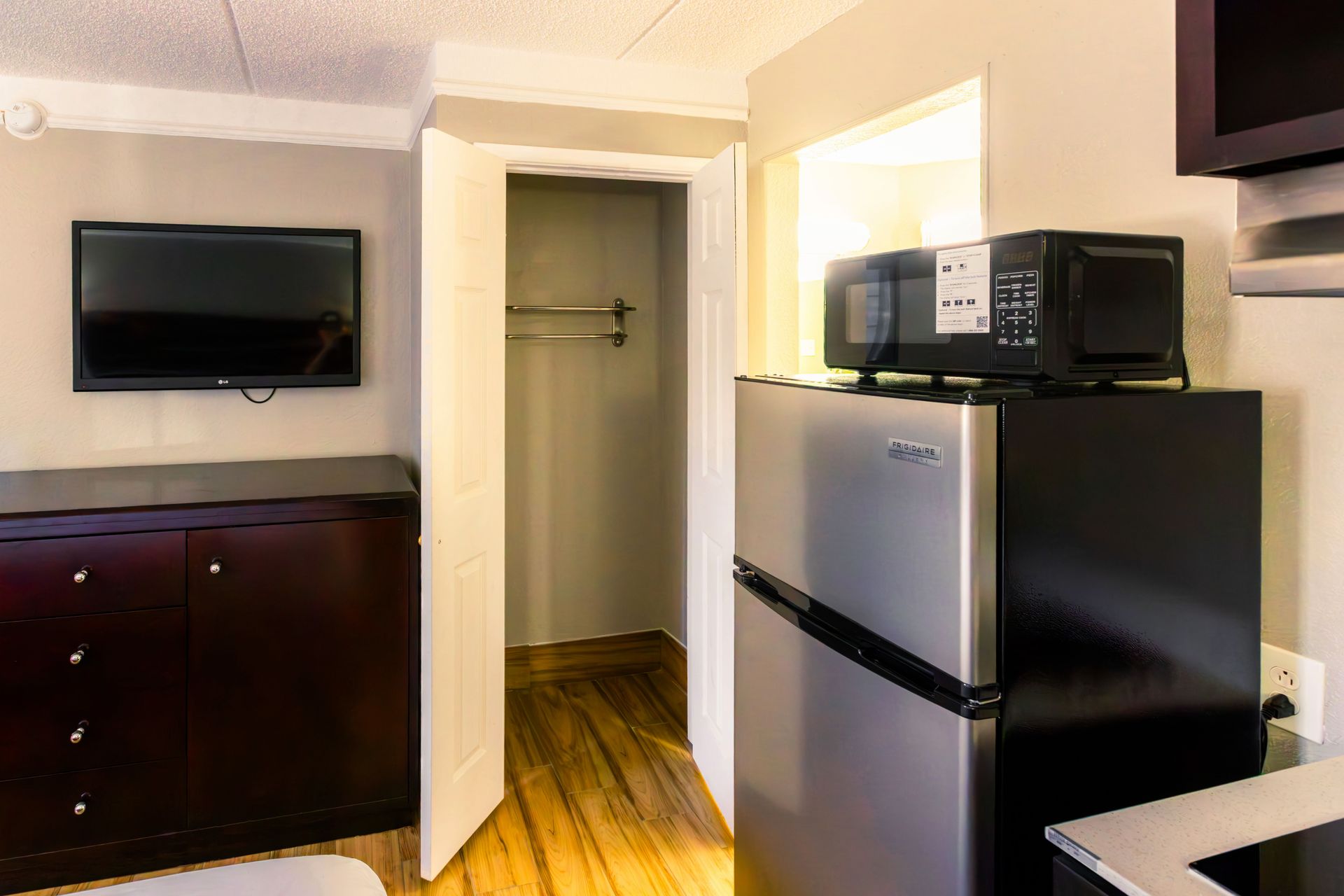
When planning an extended stay in San Antonio, one of the biggest decisions you'll face is choosing between a weekly hotel and an Airbnb. While Airbnb may seem appealing at first glance, the actual costs, convenience, and overall value can tell a different story. Whether you're relocating, working on a temporary assignment, traveling for medical treatment, or simply exploring the city for several weeks, understanding the true cost of each option can help you make the smartest choice. Let's compare both options to see which one helps you save more. Understanding the Real Cost Many travelers only compare the nightly rates, but that's only part of the picture. Several additional expenses can significantly increase your total bill. Weekly Hotel Costs Most extended stay hotels offer: Discounted weekly rates Utilities included Free Wi-Fi Housekeeping services Free parking No cleaning fees Flexible stay durations Everything is typically included in one upfront price, making budgeting much easier. Airbnb Costs Although the nightly price may appear lower, Airbnb bookings often include: Cleaning fees Service fees Occupancy taxes Utility costs (for longer stays in some cases) Parking fees (depending on the property) Extra charges for additional guests These fees can quickly increase your total cost, especially for stays lasting one week or longer. Hidden Fees Can Add Up Quickly At first glance, an Airbnb listing may seem like the more affordable option. However, the final booking cost often tells a different story once additional fees are added. Many Airbnb properties charge separate cleaning fees, service fees, occupancy taxes, and, in some cases, parking or extra guest fees. While each charge may seem small individually, they can quickly add up and make the total cost much higher than expected for an extended stay. In contrast, weekly hotels generally offer straightforward, all-inclusive pricing. Your weekly rate often covers essentials like Wi-Fi, parking, utilities, and housekeeping, so there are fewer surprises when it's time to check out. This predictable pricing makes it easier to budget and helps travelers avoid unexpected expenses. For anyone staying in San Antonio for a week or longer, the transparency of a weekly hotel can make it the more cost-effective choice. Flexibility Matters Life doesn't always go according to plan. Your work assignment may be extended. Your home renovation may take longer. Medical treatment schedules can change. Weekly Hotels Weekly hotels generally offer: Easy extensions Flexible check-in and check-out Minimal paperwork No long-term lease requirements Airbnb With Airbnb, flexibility depends entirely on the host. Some hosts have: Strict cancellation policies Limited extension availability Higher rates for last-minute changes If your plans change unexpectedly, your costs may increase.
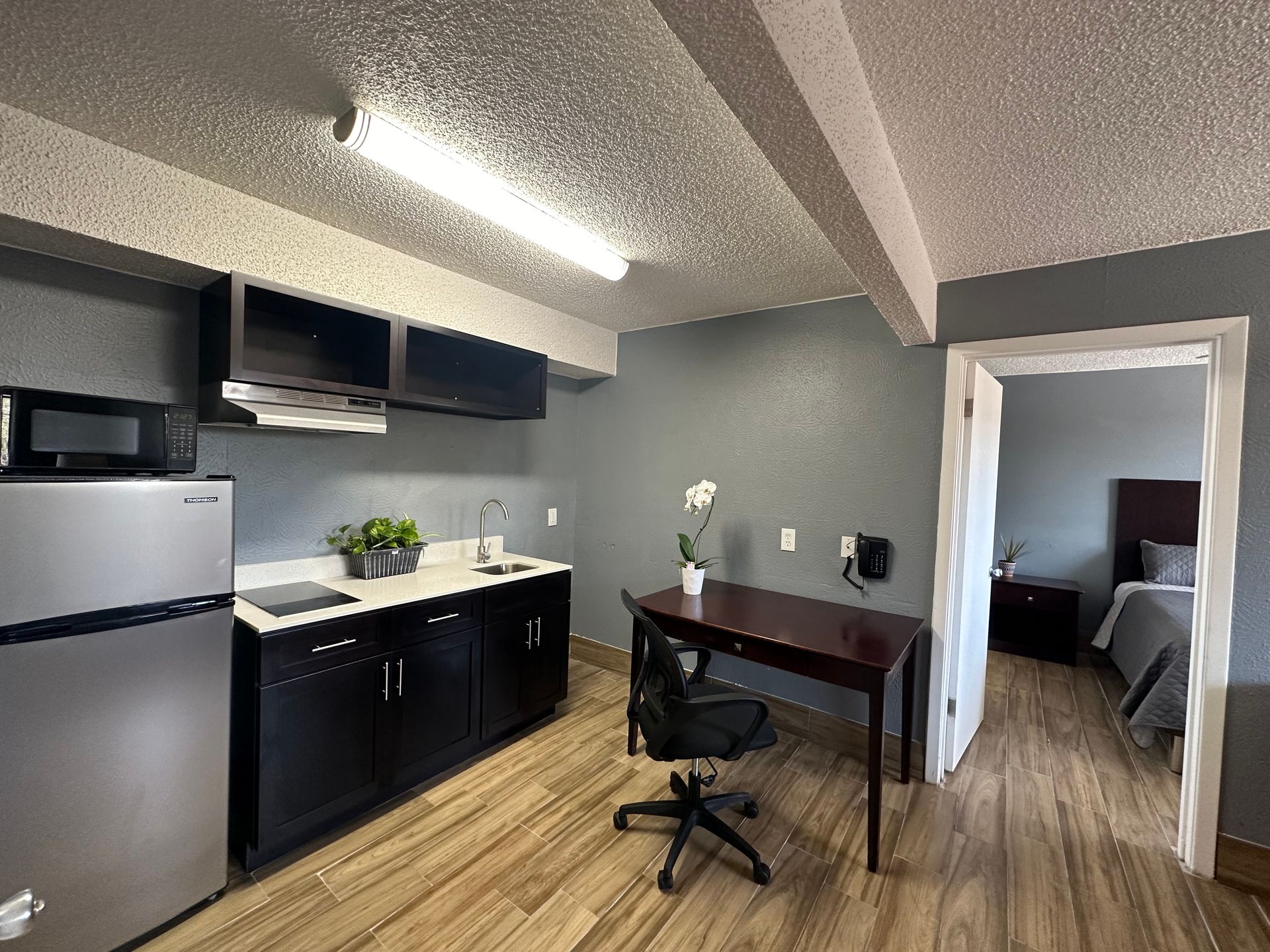
Home renovations are exciting—they add value to your property, improve functionality, and create a space that better suits your lifestyle. However, major remodeling projects often come with one big challenge: where do you live while the work is being completed? Whether you're remodeling your kitchen, updating multiple rooms, replacing flooring throughout the house, or undertaking a full-home renovation, staying in a construction zone isn't always practical. Dust, noise, limited access to essential utilities, and safety concerns can make day-to-day living difficult. For many homeowners, finding temporary housing is the smartest solution. Major renovations often disrupt daily life enough that relocating temporarily becomes the safest and most comfortable option. In this guide, we'll explore the most common temporary housing options and help you determine which one best fits your renovation timeline and budget. Why You May Need Temporary Housing During Renovations Not every remodeling project requires moving out, but larger renovations often do. You may want to consider temporary housing if your project involves: Complete kitchen or bathroom remodels Flooring replacement throughout the home Major plumbing or electrical upgrades Structural repairs or additions Roof replacement or extensive interior demolition Construction crews, power interruptions, water shutoffs, and constant noise can make your home uncomfortable—or even unsafe—for everyday living. 1. Stay with Family or Friends For shorter renovation projects lasting a few days or weeks, staying with family or friends may be the easiest solution. Pros Little to no accommodation cost Familiar environment Flexible arrangements Cons Limited privacy May become inconvenient if renovations take longer than expected Not ideal for larger families or pets This option works best when your renovation schedule is predictable and relatively short. 2. Book an Extended-Stay Hotel Extended-stay hotels are one of the most popular choices for homeowners during renovations because they offer flexibility without requiring long-term leases. Many extended-stay accommodations include: Fully furnished rooms Kitchenettes or full kitchens Weekly housekeeping Free Wi-Fi On-site laundry facilities Flexible weekly or monthly rates Unlike traditional hotels, extended-stay properties are designed for guests who need accommodations for several weeks or even months. They provide many of the comforts of home while eliminating the hassle of utility setup or furniture rental. 3. Rent a Furnished Apartment If your renovation is expected to take several months, a furnished apartment may offer more living space. Benefits include: Separate living and sleeping areas Full kitchen Greater privacy More storage However, furnished apartments may require deposits, application approvals, and minimum rental terms that don't always align with renovation timelines. 4. Short-Term Vacation Rentals Platforms offering vacation rentals can provide temporary homes for homeowners during renovations. These properties often feature: Multiple bedrooms Full kitchens Private outdoor spaces Family-friendly layouts While they offer residential comfort, prices can fluctuate depending on seasonality, and availability for longer stays may be limited. 5. Corporate Housing Corporate housing isn't just for business travelers. Many providers offer fully furnished accommodations suitable for homeowners who need temporary housing during renovations. Corporate housing generally includes: Utilities Internet Furniture Kitchen essentials It's an excellent option for extended renovation projects but may be more expensive than weekly hotel accommodations.
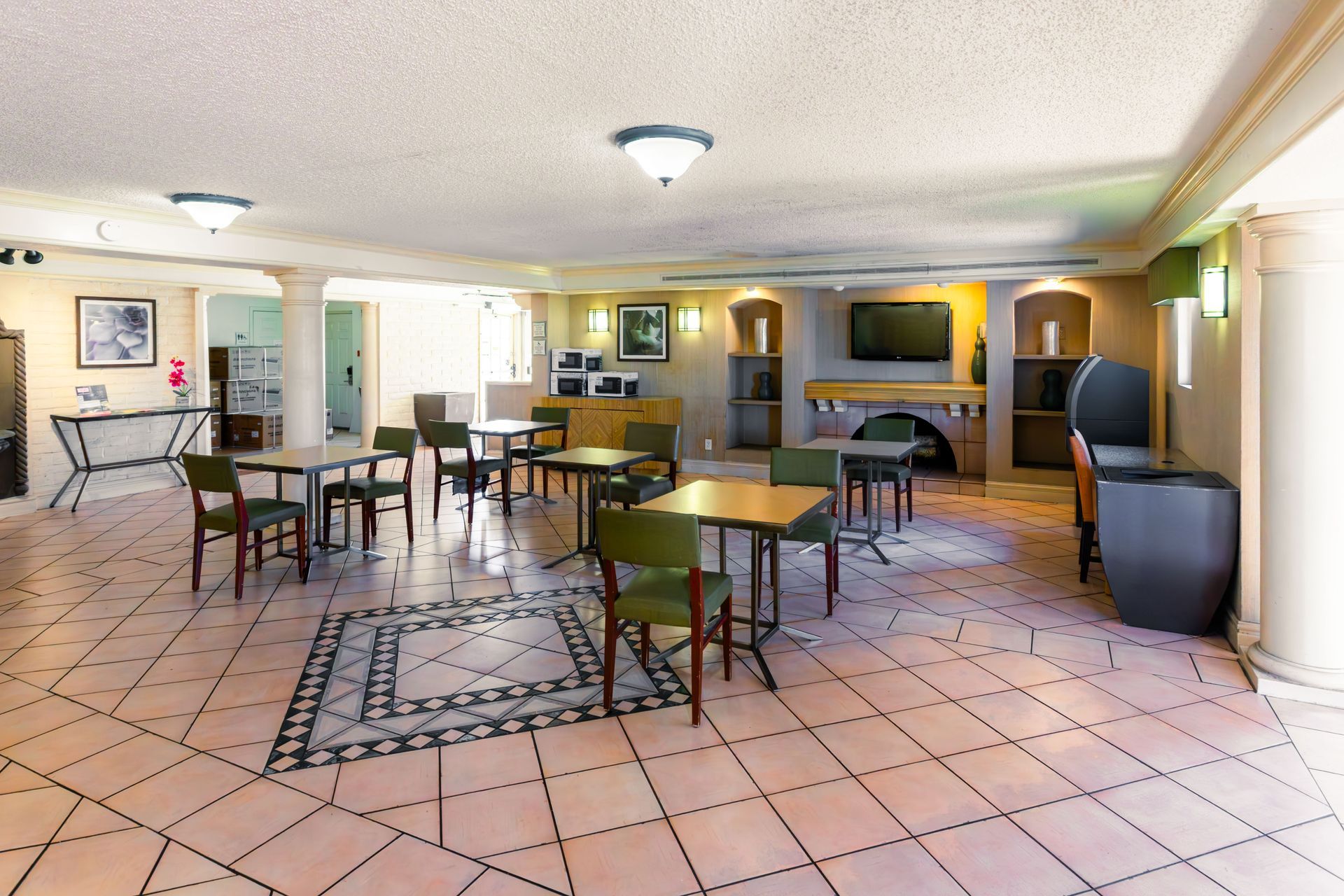
Whether you're traveling for work, relocating to a new city, managing a temporary project, or simply need a place to stay for an extended period, finding the right accommodation is essential. While traditional hotels are ideal for short stays, weekly hotels offer a more practical, comfortable, and cost-effective solution for guests planning to stay longer. In recent years, weekly hotels have become increasingly popular among business travelers, families, remote workers, and individuals seeking temporary housing. Here are the top benefits of choosing a weekly hotel over a traditional hotel. 1. Significant Cost Savings One of the biggest advantages of weekly hotels is affordability. Traditional hotels typically charge nightly rates, which can quickly add up during extended stays. Weekly hotels offer discounted weekly rates, helping guests save a substantial amount compared to booking a standard hotel room for multiple nights. For travelers on a budget, these savings can make a huge difference, especially during long-term stays. 2. More Space and Comfort Weekly hotels are designed with long-term guests in mind. Many offer larger rooms, suite-style accommodations, and additional living space that provide a more comfortable environment than a standard hotel room. Having extra room to relax, work, or store personal belongings helps guests feel more at home during their stay. 3. Convenient Amenities for Extended Stays Unlike traditional hotels that cater primarily to short-term visitors, weekly hotels often include amenities specifically designed for longer stays, such as: Kitchenettes or full kitchens In-room refrigerators and microwaves Laundry facilities Workspaces and Wi-Fi Additional storage areas These conveniences allow guests to maintain their daily routines while reducing the need for constant dining out or external services. 4. Greater Flexibility Weekly hotels offer flexible stay options that accommodate changing schedules. Whether you need a room for one week, several weeks, or even months, weekly hotels make it easier to extend your stay without the hassle of repeated bookings. This flexibility is particularly beneficial for: Business travelers Construction workers Traveling healthcare professionals Families in transition Individuals relocating to a new city 5. A Home-Like Experience Long stays in traditional hotels can often feel impersonal. Weekly hotels create a more residential atmosphere, helping guests settle into a comfortable routine. With access to cooking facilities, laundry services, and larger living spaces, guests can enjoy many of the comforts of home while still benefiting from hotel services and support. 6. Reduced Daily Expenses Eating every meal at restaurants can become expensive during extended trips. Weekly hotels with kitchen facilities allow guests to prepare their own meals, helping reduce food costs significantly. Additionally, on-site laundry facilities eliminate the need for costly laundry services, making long-term stays even more economical.